International Latin Dances
International Cha Cha
International Cha Cha is a lively Latin ballroom dance known for its crisp, syncopated rhythm and playful, flirtatious energy. It developed from Cuban dance traditions and is danced in a compact, grounded style with quick footwork and sharp hip actions. The characteristic “cha-cha-cha” chasse gives the dance its name and drives its upbeat, percussive feel. It is often performed with confident partner interaction, fast changes of direction, and a strong sense of musicality.
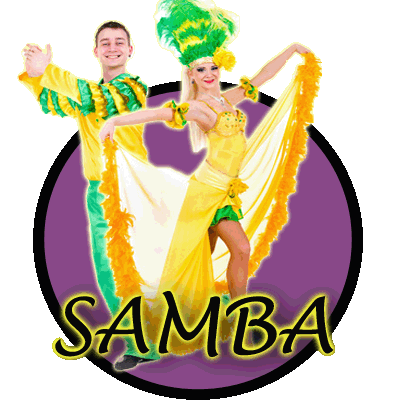
International Samba
International Samba is a vibrant ballroom dance inspired by Brazilian samba rhythms, but adapted into a structured partner dance for the competitive ballroom floor. It is known for its bouncing action, rolling body movement, and energetic, joyful character. The dance uses a distinctive rhythm and grounded pulse that create a sense of continuous motion. While it feels festive and light, it also demands control, precision, and strong core technique from both dancers.
International Rumba
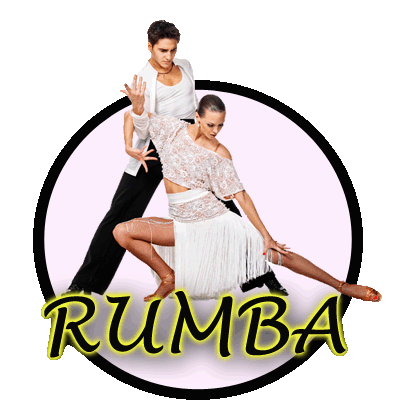
International Rumba is a slow, expressive Latin ballroom dance that emphasizes romance, tension, and connection between partners. Often called the “dance of love,” it uses controlled movements, subtle hip action, and dramatic pauses to create emotional intensity. The music is typically slower than other Latin dances, which allows dancers to focus on body line, balance, and phrasing. Its beauty comes from restrained movement and the feeling of conversation between the partners rather than speed.
International Paso Doble
International Paso Doble is a dramatic ballroom dance inspired by the atmosphere of a Spanish bullfight. The leader is often portrayed as the matador, while the follower may represent the cape, music, or dramatic counterpart, giving the dance a theatrical quality. It is marked by strong posture, sharp movements, and proud, marching-like steps that project power and intensity. Unlike many Latin dances, it has a bold, martial feel and a strong sense of storytelling.
International Jive
International Jive is a fast, energetic ballroom dance rooted in swing and jazz traditions. It features quick kicks, lively flicks, and playful partner interactions that make it one of the most athletic Latin and rhythm dances in ballroom competition. The movement is buoyant and upbeat, often matching energetic music with a strong, driving beat. Dancers need stamina, speed, and precise timing to make the dance look effortless and fun.
International Standard Dances
International Waltz
International Waltz is a smooth ballroom dance known for its graceful rise and fall, flowing travel, and elegant rotational movement. It is danced in 3/4 time, which gives it a lilting, sweeping quality that feels romantic and serene. Couples move around the floor in long, continuous patterns, creating a sense of softness and refinement. The dance is admired for its poise, control, and the impression that the pair is gliding effortlessly.
International Tango
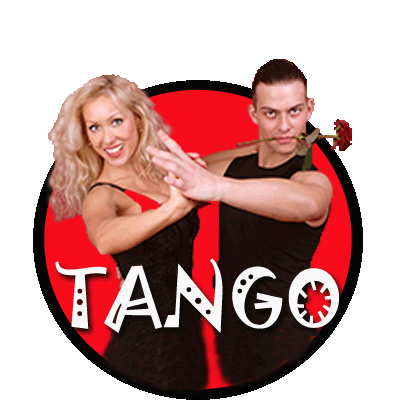
International Tango is a sharp, dramatic ballroom dance with a highly stylized, staccato feel. Unlike the smoother waltz, tango uses sudden head turns, precise foot placement, and strong, grounded movement to create tension and intensity. The posture is upright and proud, with a closed frame that gives the dance its distinctive look and sense of power. It often feels mysterious and passionate, with every movement carefully defined.
International Foxtrot
International Foxtrot is a smooth ballroom dance that combines elegance with a relaxed, flowing quality. It is often described as sophisticated and versatile, with long walking steps, gentle swing, and smooth transitions across the floor. Dancers aim for a polished, gliding look that feels effortless, even though the technique requires excellent control and coordination. The dance has a refined social charm and remains a cornerstone of ballroom style.
International Viennese Waltz
International Viennese Waltz is the faster, more continuous cousin of the traditional waltz. Danced in 3/4 time, it is defined by its rapid turning motion, creating a swirling, spinning effect that can feel both romantic and exhilarating. Because of its speed, the dance demands excellent balance, partnership, and endurance. Its beauty lies in the seamless flow of movement and the sense of effortless rotation across the floor.
International Quickstep
International Quickstep is a fast, cheerful ballroom dance that evolved from the foxtrot and other early twentieth-century dances. It is known for light, springy footwork, smooth traveling patterns, and a sense of buoyancy that makes it look like the dancers are floating. The rhythm is quick and lively, requiring agility, timing, and a polished frame. Quickstep often has a playful, upbeat character that combines elegance with athletic speed.
Social Dances
Salsa
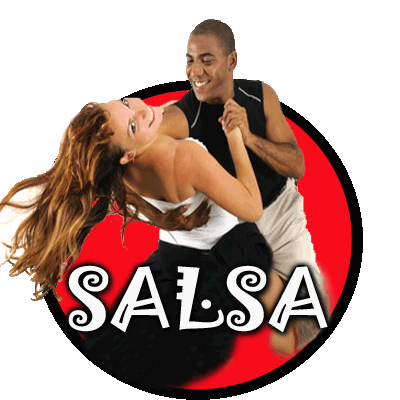
Salsa is a social Latin dance with roots in Cuban, Puerto Rican, and wider Caribbean musical traditions, later shaped strongly by Latin communities in New York and beyond. It is energetic, rhythmic, and highly musical, with quick turns, partner connection, and expressive body movement. Salsa can be danced in several styles, but all share a strong emphasis on timing, footwork, and improvisation. It is popular worldwide because it feels vibrant, social, and full of personality.
Bachata
Bachata is a sensual and expressive social dance that originated in the Dominican Republic. It is usually danced to romantic, guitar-driven music with a steady beat that supports smooth side-to-side motion and close partner connection. Bachata often features subtle hip movement, body isolations, and playful turns or dips, depending on the style. Its emotional quality can range from tender and romantic to modern and highly stylized.
Merengue
Merengue is a lively partner dance from the Dominican Republic, built around a simple, marching-style rhythm that makes it very accessible. The basic movement involves a side-to-side or forward-back step with a strong hip emphasis, creating a continuous, walking pulse. Because of its straightforward structure, it is often one of the first Latin dances people learn socially. Even though the steps are simple, skilled dancers can add lots of flair, turns, and body styling.
Swing
Swing
Swing is a family of dances that grew out of jazz-era African American culture, with styles such as Lindy Hop, East Coast Swing, and West Coast Swing all sharing a joyful, rhythmic spirit. It is usually characterized by bounce, improvisation, energetic partner connection, and a strong sense of musical play. Swing dances often feel spontaneous and social, with room for personal expression and rhythmic creativity. The overall mood is upbeat, lively, and irresistibly fun.
Hustle
Hustle is a social partner dance that became popular during the disco era of the 1970s. It is typically danced to upbeat pop or disco music and features smooth turns, spins, and compact partner patterns. Hustle is known for its energetic social vibe, making it a favorite in clubs, parties, and social dance settings. It blends accessibility with style, allowing dancers to look polished while staying relaxed and musical.
Argentine Tango
Argentine Tango is a deeply expressive partner dance that grew out of the social dance culture of Buenos Aires and Montevideo. It is marked by close connection, improvisation, intricate walking patterns, and a dramatic interplay of tension and release. Unlike ballroom tango, Argentine Tango is usually more grounded, fluid, and conversational, with a strong emphasis on musical interpretation. Its mood can be intimate, melancholic, passionate, or playful, depending on the music and partnership.
Hip Hop
Hip Hop dance is a broad, street-based style that emerged from urban youth culture in the United States, especially within Black and Latin communities. It includes a wide range of movement vocabularies, from groove-based social styles to performance-heavy choreography, and is deeply tied to rhythm, individuality, and self-expression. Hip Hop often emphasizes musical interpretation, attitude, and personal style rather than rigid formality. Because it constantly evolves, it remains one of the most dynamic and influential dance forms in the world.
Breakdancing
Breakdancing, also known as breaking or b-boying/b-girling, is a highly athletic street dance that emerged from hip hop culture in the 1970s. It combines top rock, footwork, freezes, power moves, and intricate body control, often performed in a competitive or battle setting. The dance is built on creativity, stamina, and originality, with dancers trying to outdo each other through style and technical skill. It is both an art form and a physical discipline, requiring strength, rhythm, and fearless expression.
 617-202-9200
 info@stardanceschool.com